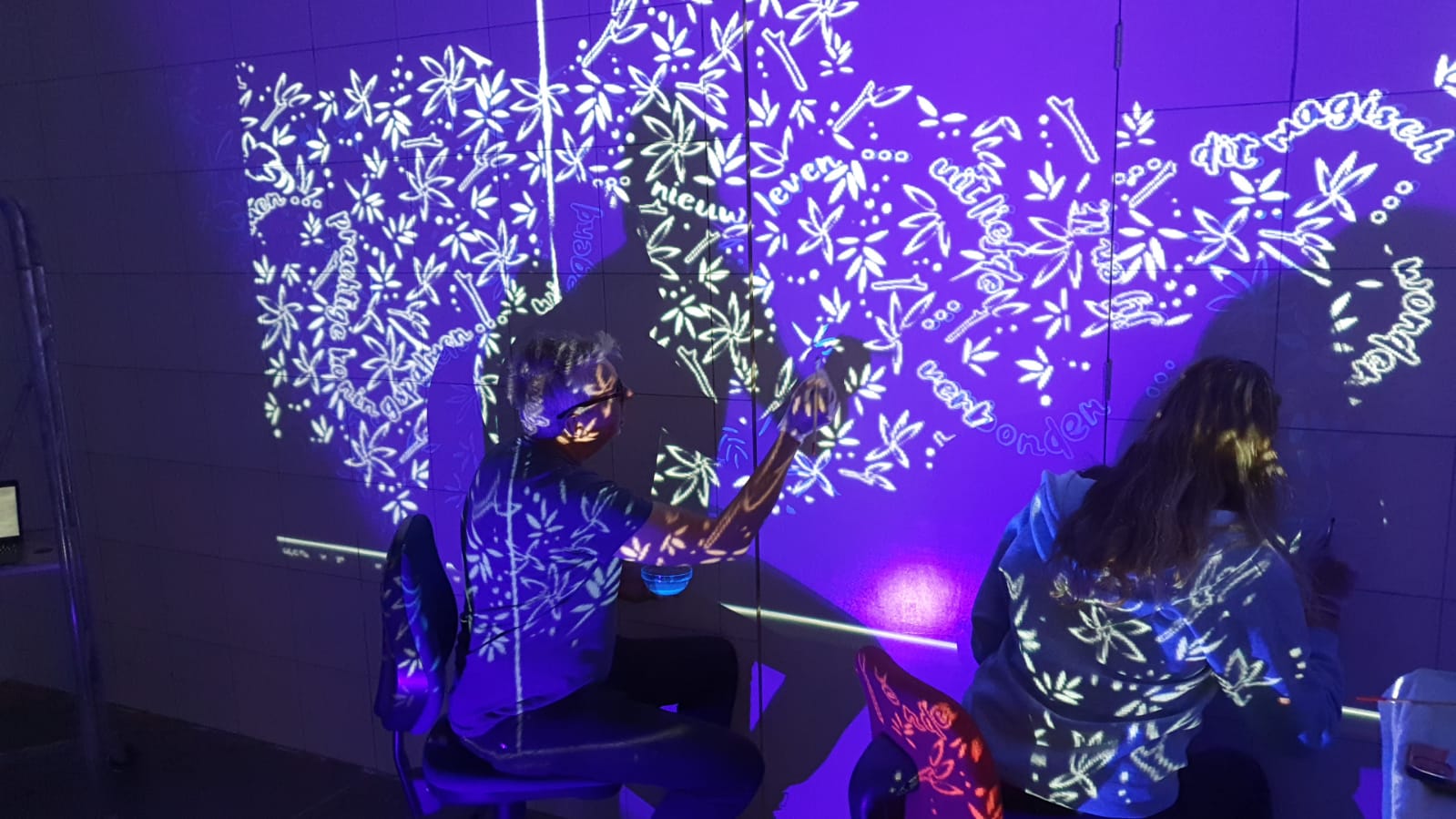
During the Congress Network Digital Heritage, we were present to clarify opportunities and shifts in digital audience experience. In conversations and sessions, one thing stood out: the sector is at a tipping point. Digital experience increasingly determines whether museums, archives, and heritage institutions reach new audiences. At the same time, new questions are arising: where do you start, what works, and how do you maintain content and nuance in a digital landscape that is moving faster and faster? We share three trends that will be decisive for 2026:
1. Oral history is growing rapidly and AI makes it accessible
Oral history is gaining an increasingly important place within the heritage domain, history told by the people who experienced it themselves. Thanks to AI, oral history is transforming from a time-consuming resource into an accessible, searchable story archive: transcripts are automatically recognized, thematically tagged, and quickly searchable.
What you can do with it: Make "searchable stories" a permanent public feature. Build interviews into a story archive with short excerpts that you can immediately use in exhibitions, websites, education, or publications. This way, oral history becomes not only findable but also actively usable for a broad audience.
2. Strong focus on ecological history and botanical heritage
Themes such as ecological history, landscape, nature, and botanical heritage are increasingly coming to the forefront. The public is looking for understandable and tangible entry points to comprehend larger issues: climate, change over time, biodiversity, and the relationship between humans and the environment.
What you can do with it: Use these concrete objects as narrative hooks, such as plants, seeds, herbariums, dikes, or waterworks. From one recognizable element, you can tell a story that makes time, change, and human influence clear. This works particularly well in exhibitions, digital formats, and hybrid experiences.
3. Creative collaboration becomes the engine of digital audience experience
The movement towards open data, shared knowledge, and creative collaboration is becoming increasingly important. More and more institutions are seeking connections with creators outside the heritage field to translate their collection into public formats that work for new target groups.
What you can do with it: Consider how you can help your digitized offerings cross the threshold towards public applications. Be surprised in an open conversation with a local theater maker, VR designer, or creative agency, and discover new ways to bring your collection to life.
Or come to our Digital Consultation Hour. Costs nothing: just an hour of brainstorming with professionals.