What happens to your audience during an immersive experience? How can you learn and develop from your audience's feedback and how can you strengthen your impact with that? What can you learn from each other as creators? In a practice-oriented audience research, Ask your Audience, in collaboration with Curious Culture, investigated the impact of three different projects: Giants of the North (Studio Puck van Dijk), Mergel (Fuseworks), and Sleepy Hollow (Studio Immersief). This research was conducted thanks to the Collaboration & Scale Benefits initiative of the Oog voor Impuls program. The results provide creators and partners with concrete tools to make immersive experiences stronger, more targeted, and more impactful. 👉 Read on for the highlights!
"Pioneering together = sharing experiences to move forward."
"A good immersive experience literally takes you away from here and now."
Download the research here or scroll down for the highlights!
What did we research?
The research consisted of three cases, each with a different form and focus:
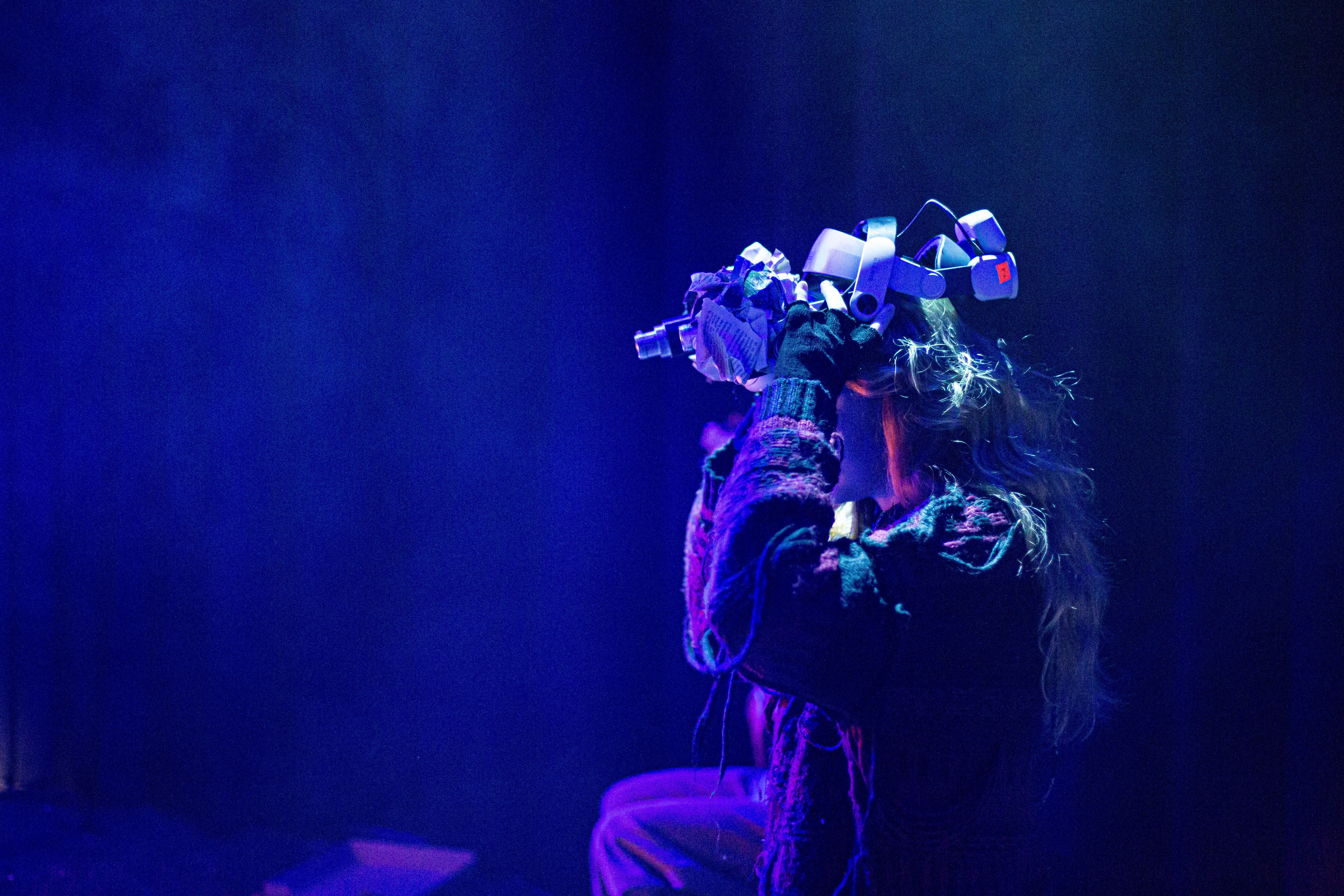
Sleepy Hollow (VR experience)
Who is the potential audience? What are their expectations and needs?
→ Goal: insight into the target group, experience, and further development of the concept.
Mergel (video installation)
How do visitors experience the journey before, during, and after the experience?
→ Goal: insight into impact and applicable knowledge for new projects.
Giants of the North (audio walk)
What sticks with participants? Does their perspective change?
→ Goal: insight into awareness and sustainable impact.
What makes immersive so powerful?
Immersive is not a goal in itself but a means to make people feel, experience, or understand something. When the technique works, the story is correct, and the context is clear, an experience is created that fully engages participants. A brief escape from reality – only to return with a different perspective.
“A good immersive experience literally takes you away from the here and now.”
The research shows that visitors only feel truly involved when they can surrender to the experience. This only works when all components align. That’s when the impact is greatest.
What can creators do with this?
The results show that impactful immersive experiences do not only arise in execution but begin with how you communicate them. Visitors bring their own frame of reference: a theater lover expects something different than a gamer or escape room fan.
Every detail matters in the execution. AR and VR are perceived as added value, but only if they are seamlessly integrated into the story. As soon as the technique stands apart from the experience or does not work as expected, engagement drops.
Ensure that the technique fully serves the story
Be aware of the expectations of your audience
Incorporate moments for reflection – before, during, or after
“The work does not arise in what you send, but in what the audience receives.”
Why is this valuable for new audiences?
The results show who you reach, what appeals to them, and how you retain them:
Great willingness to revisit and engagement with the project
→ Besides feedback on the Sleepy Hollow playtest, 79% left their email address
The experiences were tested with a broad and diverse audience
→ Makes it easier to define target groups and discover overlaps
Insight into audience needs helps with future programming
→ Relevant for creators and for discussions with purchasers such as theaters and funds
What did we learn about collaboration?
The audience research not only provided insights into audience experience but also into the creation process itself. By collaborating, depth, acceleration, and space for learning from each other emerged.
Professional deepening through knowledge sharing: high-level conversations with other creators strengthen your own practice
A shared language for a relatively new discipline: makes it easier to share experiences, methods, and goals with each other
New perspectives on audience and process: more insight into each other's work and your own way of creating
More efficient process and greater learning gains: by being jointly engaged with this topic, a scalable approach emerges
“Pioneering together = sharing experiences together to move forward.”
Want to know more? Get in touch!
Partners